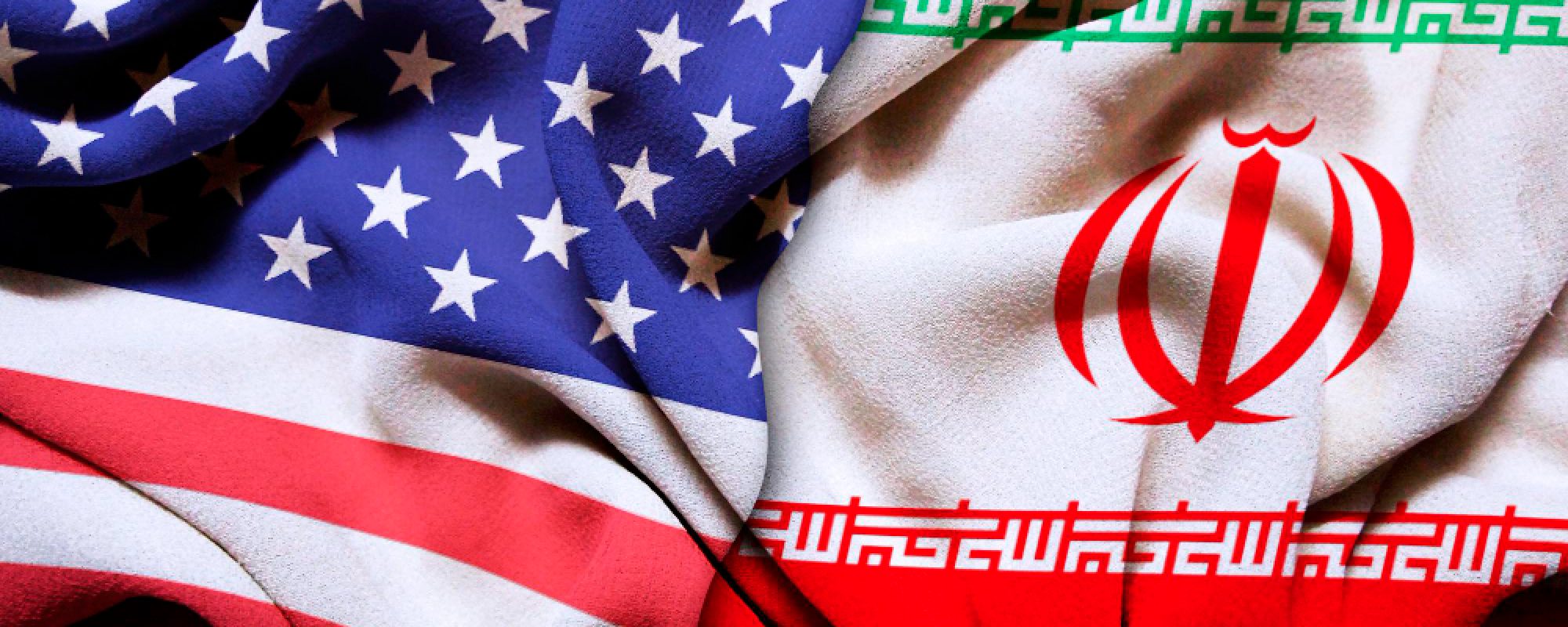
The recent U.S. military strikes against Iran have triggered one of the most intense international legal debates in years. Governments, lawyers and scholars are asking the same fundamental question: were the attacks legal under international law, or did they violate the rules that govern when countries can go to war?
The answer is far from straightforward. Supporters of the U.S. action argue that the strikes were justified as self-defense against an ongoing threat, while critics claim they amount to an illegal act of aggression that undermines the international order. At the heart of the debate lie complex questions about sovereignty, security and the rules created after the Second World War to limit war between states.
Understanding this controversy requires looking at both sides of the legal argument.
The Rules That Govern War
Modern international law sets strict limits on when countries can use military force. These rules are largely based on the United Nations Charter, adopted in 1945 to prevent future global conflicts.
Article 2(4) of the charter prohibits countries from using force against the territorial integrity or political independence of another state. In simple terms, countries cannot legally attack another country simply because they view it as a threat or rival.
There are only two widely accepted exceptions:
- Self-defense if a country is attacked or faces an imminent attack.
- Authorization from the UN Security Council, which can approve military action to maintain international peace and security.
The dispute over the U.S. strikes on Iran revolves around whether either of these conditions was met.
The Case Against the Attack: Claims of Illegality
Many legal scholars and critics argue that the attacks violated international law.
One of the main criticisms is that the strikes were not authorized by the United Nations Security Council. Without that approval, military action must be justified as self-defence — a standard critics say the United States has not clearly met.
Several international law experts have argued that the strikes lack the legal justification required under the UN Charter. Some scholars believe the attacks could be classified as a “crime of aggression,” the most serious violation in the laws governing war.
Critics also question whether the United States faced an imminent threat from Iran. The doctrine of self-defense generally requires evidence that an attack is about to happen and cannot be avoided through other means.
If a country launches a strike simply to prevent a potential future threat, that is known as preventive war, which most legal experts say has no basis in international law.
Some analysts have argued that the attacks were conducted while diplomatic negotiations with Iran were still underway, further weakening the legal justification for military action.
Other critics highlight the broader consequences of the strikes. They argue that bypassing international institutions undermines the rules-based global order created after World War II. Without those rules, they warn, powerful nations could justify military force whenever they see a strategic advantage.
There are also concerns that the strikes may have violated U.S. domestic law. The U.S. Constitution gives Congress — not the president — the power to declare war, and some scholars say major military operations should require congressional approval.
From this perspective, the attack represents not only a challenge to international law but also a constitutional issue at home.
The Argument for Legality: Self-Defense and Ongoing Conflict
Supporters of the U.S. action present a very different interpretation of the law.
Their central argument is that the strikes were carried out in self-defense, a right recognized by Article 51 of the UN Charter. Under this rule, countries are allowed to defend themselves against armed attacks.
Some legal analysts say that the United States has been engaged in a long-running conflict with Iran and its regional allies for decades. They point to numerous incidents involving Iranian-backed militias and attacks on American forces in the Middle East.
According to this view, the U.S. does not need to wait for a new attack before responding. If a conflict is already underway, military action can be justified as part of an ongoing effort to defend against threats.
Supporters also argue that Iran has repeatedly targeted U.S. interests and allies in the region, including attacks on military personnel and shipping routes. They claim the strikes were intended to deter further aggression and protect American forces.
Another legal argument is based on collective self-defense. Under international law, countries may assist allies that are under attack. Because Iran has been involved in hostilities with Israel, some legal experts argue that U.S. involvement could be justified as helping defend an ally.
From this perspective, the attacks were not a new war but part of a wider conflict that had already been underway.
The Gray Areas of International Law
Despite strong opinions on both sides, the truth may lie somewhere in the complicated gray areas of international law.
The concept of imminence — the idea that a threat must be immediate to justify self-defense — has become increasingly difficult to interpret in modern conflicts. Governments argue that cyber attacks, missile technology and terrorism make it risky to wait until an attack is clearly underway.
At the same time, critics warn that expanding the definition of self-defense could weaken the legal barriers that prevent war.
Another challenge is the role of non-state actors, such as militias and proxy groups. If a country supports groups that attack another nation, it becomes difficult to determine how directly responsible that country is.
In the case of Iran, accusations about support for armed groups across the Middle East complicate the legal debate.
Political and Moral Questions
Beyond the legal arguments, the conflict has also sparked broader political and ethical debates.
Some religious leaders and public figures have questioned whether the war itself can be morally justified. One senior Catholic leader in Washington described the conflict as lacking a clear and legitimate cause, arguing that it fails to meet traditional ethical standards for war.
Meanwhile, critics fear that escalating military action could destabilize the region and increase the risk of terrorism or wider conflict.
Supporters, however, argue that failing to confront hostile regimes can lead to even greater dangers in the future.
A Legal Question Without a Simple Answer
The debate over the legality of the U.S. attack on Iran highlights a deeper issue: international law often struggles to keep pace with modern warfare and geopolitical realities.
On paper, the rules about when a country can use force appear clear. In practice, interpreting those rules depends heavily on political context, evidence of threats and competing interpretations of self-defence.
For now, the question of whether the attack was legal remains unresolved. Some experts view it as a legitimate defensive response, while others see it as a violation of the fundamental principles that govern relations between states.
What is certain is that the legal and political consequences of the strike will continue to shape global debate — and possibly international law itself — for years to come.
The Legal Times
16th March 2026